Center for Survivors (CFS) provides free and confidential individual counseling, advocacy, and support groups to students, faculty, staff, and members of the greater Lansing community who are survivors of sexual assault, relationships violence, stalking, and harassment.
2025 Highlights
Celebrating Milestones of Compassion and Care for Survivors
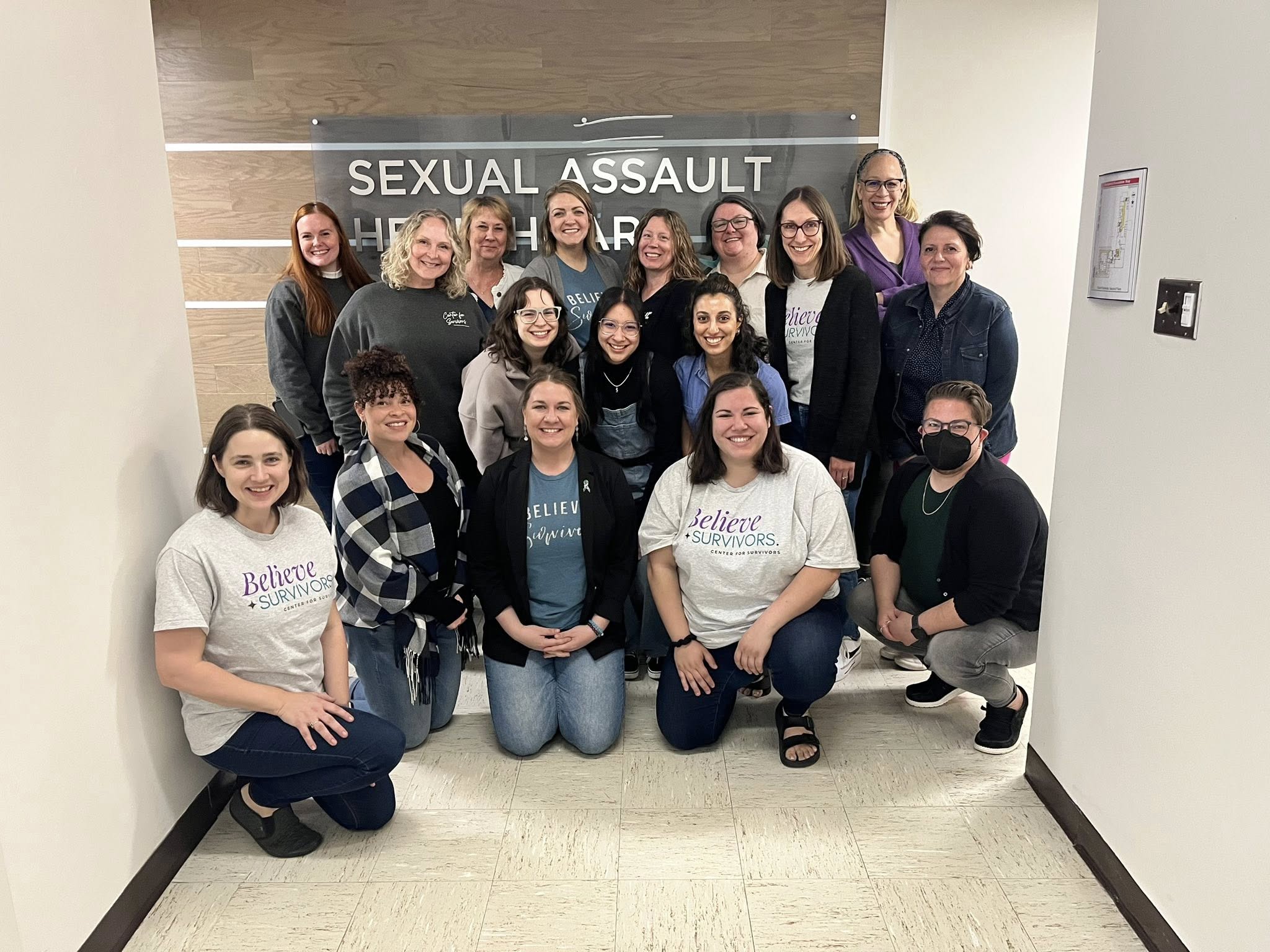
Center for Survivors has a long and meaningful history at Michigan State — 45 years of steadfast service to our community! While the unit has undergone several name changes over that time, the commitment to supporting survivors hasn't wavered. That legacy includes an astounding 31 years of Safe Place, which joined CFS in 2023, and 5 years of the Sexual Assault Healthcare Program, which continues to serve as a leading model.
Healing in Many Forms
New innovative options for building community, connection, and healing were offered in addition to traditional support groups, yoga, and ear acupuncture:
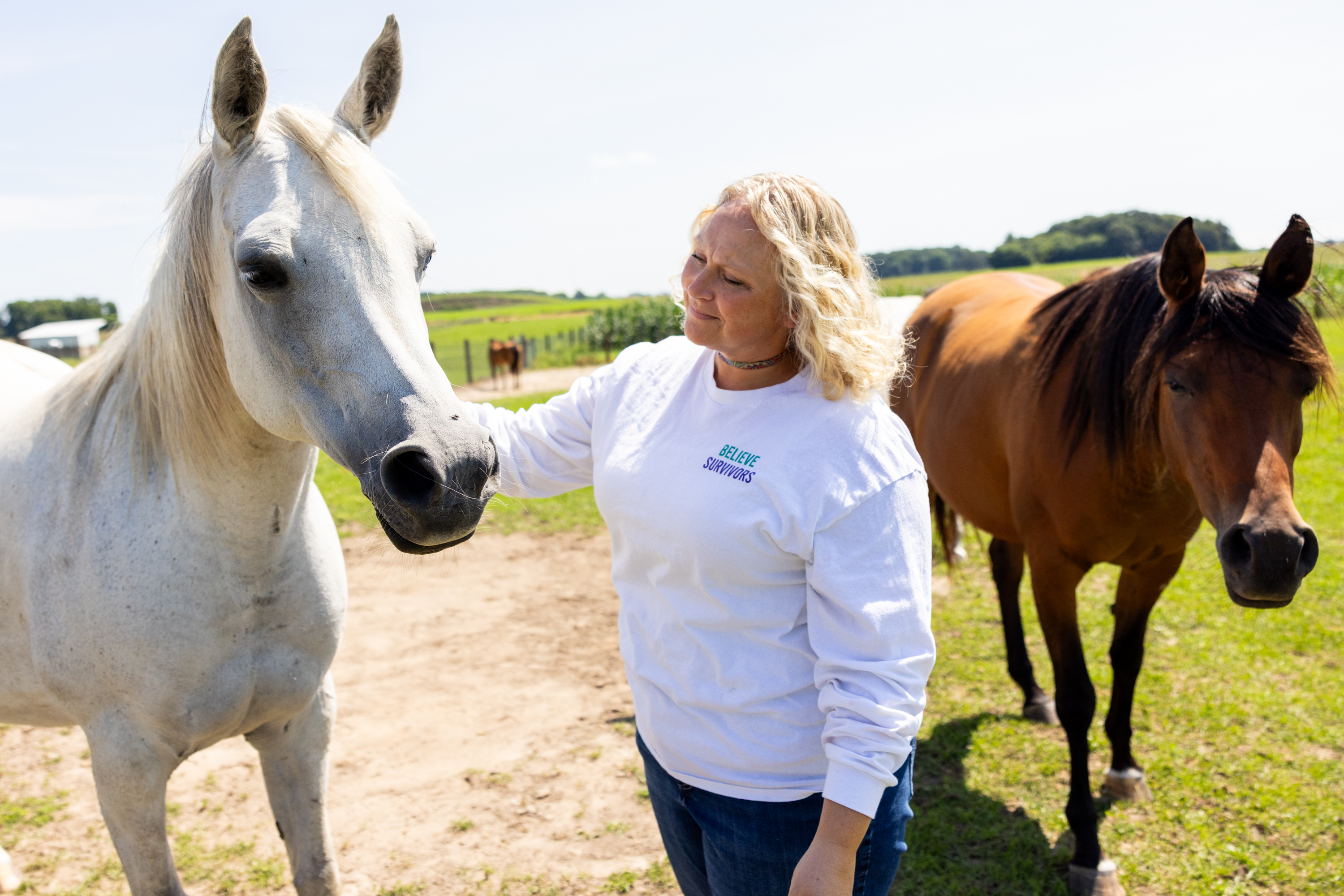
- Healing with Horses: an equine assisted group providing survivors an opportunity to address safety, trust, boundaries, communication and coping
- The Mask & Mirror: a structured therapy group offering healing through role-play and collective storytelling
- Unapologetic Vibes and Revibe: a trauma-informed dance groups
- EcoTherapy Groups: Eco Art Group, Calm under the Canopy, Know your Neighbors, and Growing Stronger all focused on deepening relationship with nature
- Survival Skills for Survivors: an opportunity to build resilience using DBT-based tools
- Podcast Pals: a book club style to listen to podcast episodes with an emphasis on healing and growth.
- Zumba: a dance workout workshop encouraging survivors to move in ways that feel right for the body
- Together we(ight) Lift: a trauma-informed weightlifting group
- Animation & Heroes: a workshop series using movies to learn about reactions to trauma and dynamics of power and control
- Wordplay - Poetry Prose & Empowerment: a workshop to promote healing through writing
- Drop in events: Crafternoons, Finals Frenzy, and Game Gatherings
Creating Safer, More Supportive Reporting Experiences
The Michigan State University Sexual Assault Response Team (SART) uses a multidisciplinary, collaborative approach to provide a trauma-informed, victim centered and offender focused response to sexual assault impacting the community. SART continues to prioritize the use of the trauma-informed interview room to assist survivors in navigating the complexities of reporting while also reducing the burden and risk of retraumatization, This room gives survivors the opportunity to report their experience to a trauma-informed detective in a survivor centered space where the survivor has access to supportive resources.
Advancing Trauma‑Informed Interviewing Practices
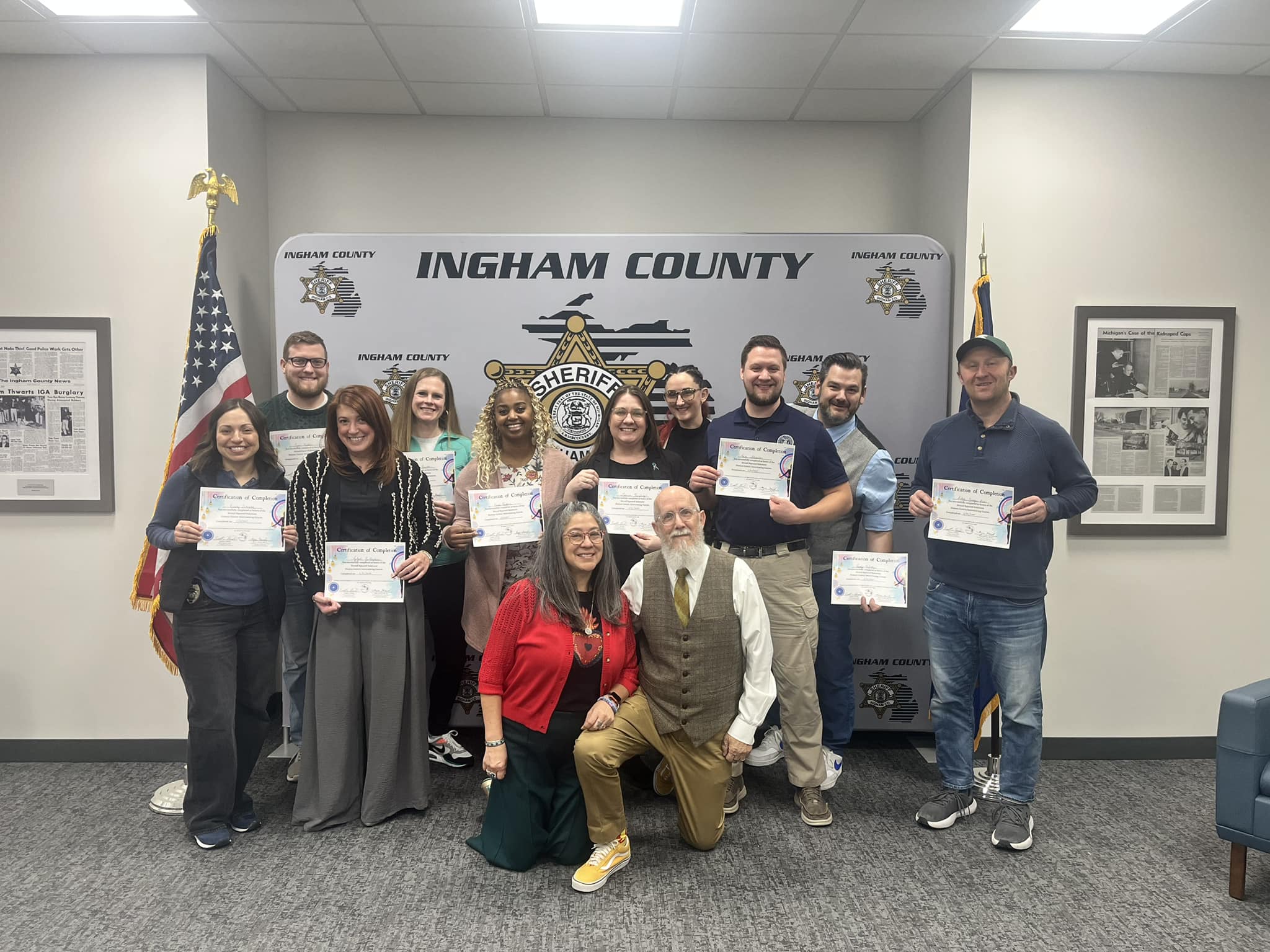
Rooted in the neurobiology of trauma and memory, somatic understanding, intersectionality, and brain diversity, Human Centric Interviewing (HCI) equips professionals with an evidence-based, evidence-informed interviewing playbook designed to enhance information gathering and accurately capture the client’s experience in an equitable and neutral manner. The MSU SART had representatives from 10 agencies, including law enforcement, prosecutors, and Title IX investigators graduate from HCI training this year, representing a commitment to consistent trauma-informed care across the SART.
Art of Healing Event Promotes Connection and Community
CFS hosted the Third Annual Art of Healing Event, which provides a safe space for survivors to connect and showcase their artistic and creative talent through various art forms, such as art, dance, music, photos, poetry, and more.
Standing with Survivors During Sexual Assault Awareness Month
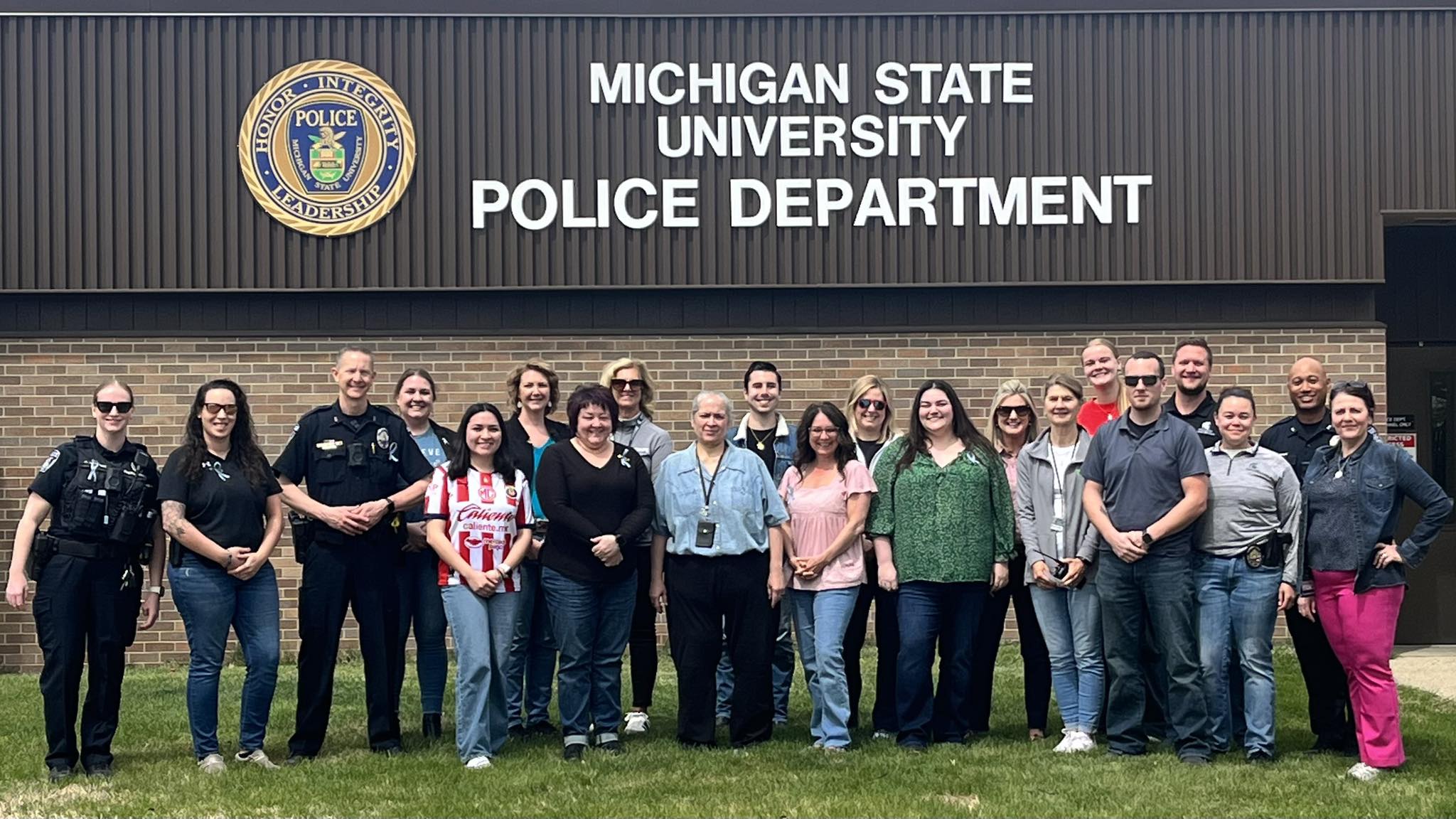
Throughout April, CFS led efforts to raise awareness about sexual assault and connect campus and the community to resources through social media and outreach efforts. In partnership with Prevention, Outreach and Education (POE), ASMSU, Department of Police and Public Safety, Center for Survivors co-sponsored the It’s On Us Week of Action April 7-11, 2025, which hosted daily awareness and engagement activities. The MSU SART (Sexual Assault Response Team) helped coordinate campus and community participation in April 30 Denim Day to bring awareness and show support for survivors and challenge the harmful myths that perpetuate sexual violence, by wearing denim. Twelve campus and community groups participated, including several law enforcement agencies, prosecutor’s office, City of East Lansing, Lansing Community College, and several MSU colleges and departments.
Spotlighting Domestic Violence Awareness Across Campus
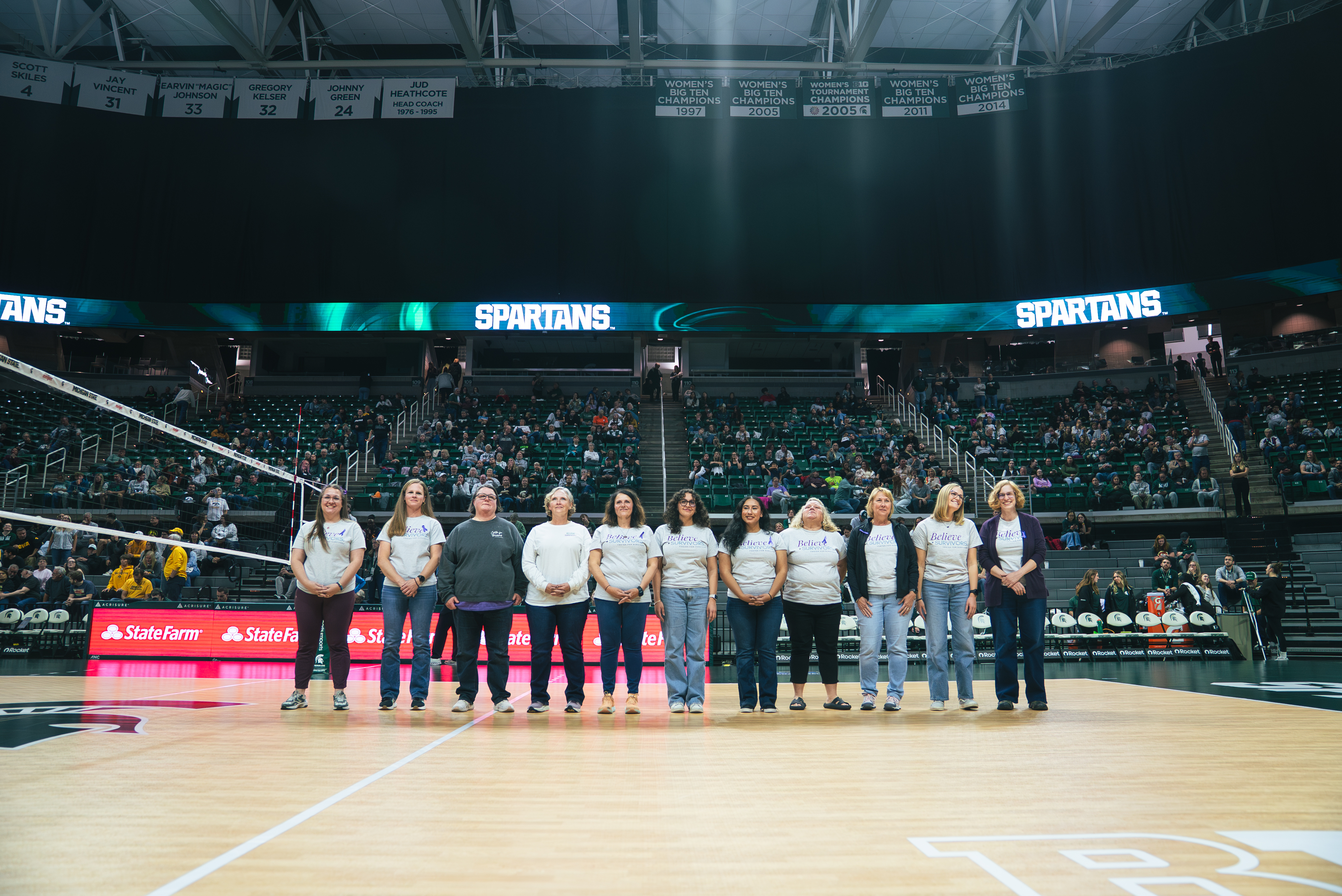
During October, Domestic Violence Awareness Month, teams raised awareness of domestic violence and available resources through a range of initiatives. Through a partnership with the MSU Women’s Volleyball team, guests at the game vs Iowa were able to learn more about domestic violence and show solidarity with survivors. Breslin’s lights were purple, the teamwork purple warm-up shirts and video with Dr. Travis and Head Coach Kristen Kelsey played on the jumbotron. The Wellbeing at MSU podcast, hosted by Dr. Travis, released its second episode featuring a panel discussion on domestic violence in university settings, Guests included Dr. Stephanie Anthony, Inaugural Director of the MSU Office of College Access Initiatives, Presidential Advisor for RVSM Co-Chair, Expert Advisory Workgroup for RVSM; Dr. Carrie Moylan, Director of the School of Social Work, and tenured professor; Danielle Fenton, Interim Co-Director of Center for Survivors, Associate Director for Sexual Assault Healthcare Program; and Kathleen Miller, Interim Co-Director of Center for Survivors, Associate Director/Advocacy Team Supervisor. CFS engaged students, faculty and staff, and the community through events like Fresh Check Day and Voices of Color Purple Out Day, raising awareness with interactive booths and the Rise Up Ribbon campaign. Additional outreach included a “Women in Facilities” snack-and-learn at Case Hall and Cocoa with a Cause, a collaborative event between Safe Place and Lansing Community College.
Safe Place Shelter Focused on Creating a Community of Healing
Safe Place continued its work to foster a community of healing for survivors of relationship violence and stalking. This included offering creative and intentional support groups, deepening relationships with key stakeholders, and expanding outreach efforts—highlighted by a meaningful collaboration with MSU Volleyball.
2025 Metrics
*A new database was implemented in 2025; prior-year comparison data is unavailable
Sexual Assault Healthcare Program
Safe Place Shelter
Survivor Advocacy and Crisis Intervention (SACI) Volunteers
For 2024 data, please visit the 2024 UHW Annual Report
What clients are saying about CFS Services
“I love how open [my CFS advocate] was to listen to my experience and help me realize how I wanted closure. She felt like the only person I could talk to about everything that was happening legally, and her knowledge on resources available on campus made me feel more secure.”