Health Promotion, Engagement, Accessibility, and Accommodations supports individuals and communities in enhancing overall wellbeing through development and implementation of proactive, systems-level health promotion initiatives; fostering meaningful engagements; and ensuring accessibility for all Spartans.
2025 Highlights
STATE after DARK Champions Substance-Free Events
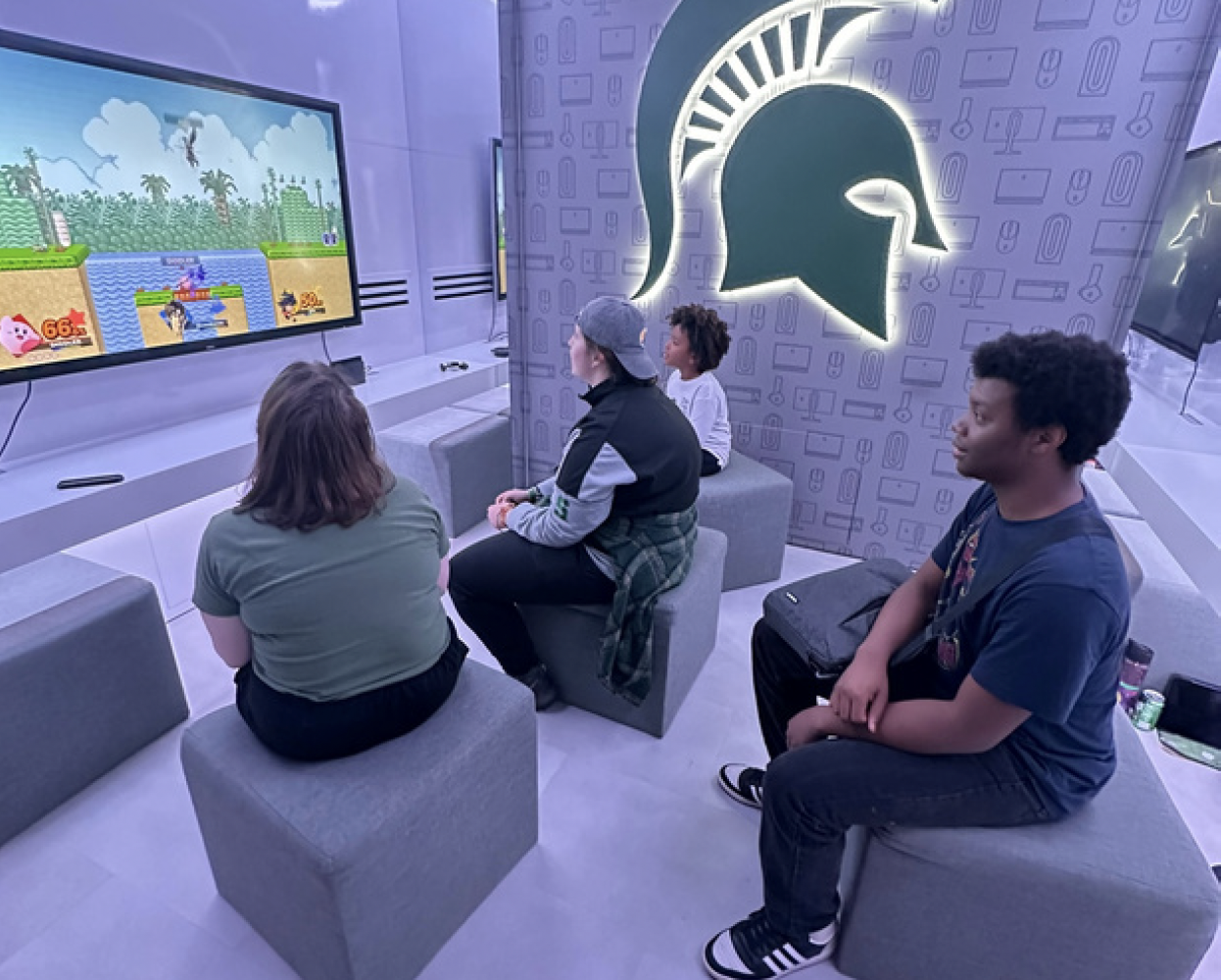
To promote safe and engaging late-night experiences, STATE After DARK awarded $13,500 to 20 campus organizations to host substance-free events, supported through the Alcohol in the Stadium fund. More than 1,300 students participated, creating meaningful opportunities for connection, fun, and community without the need for alcohol or other substances.
Exercise is Medicine on Campus Earned Gold-Level Status for 10th year
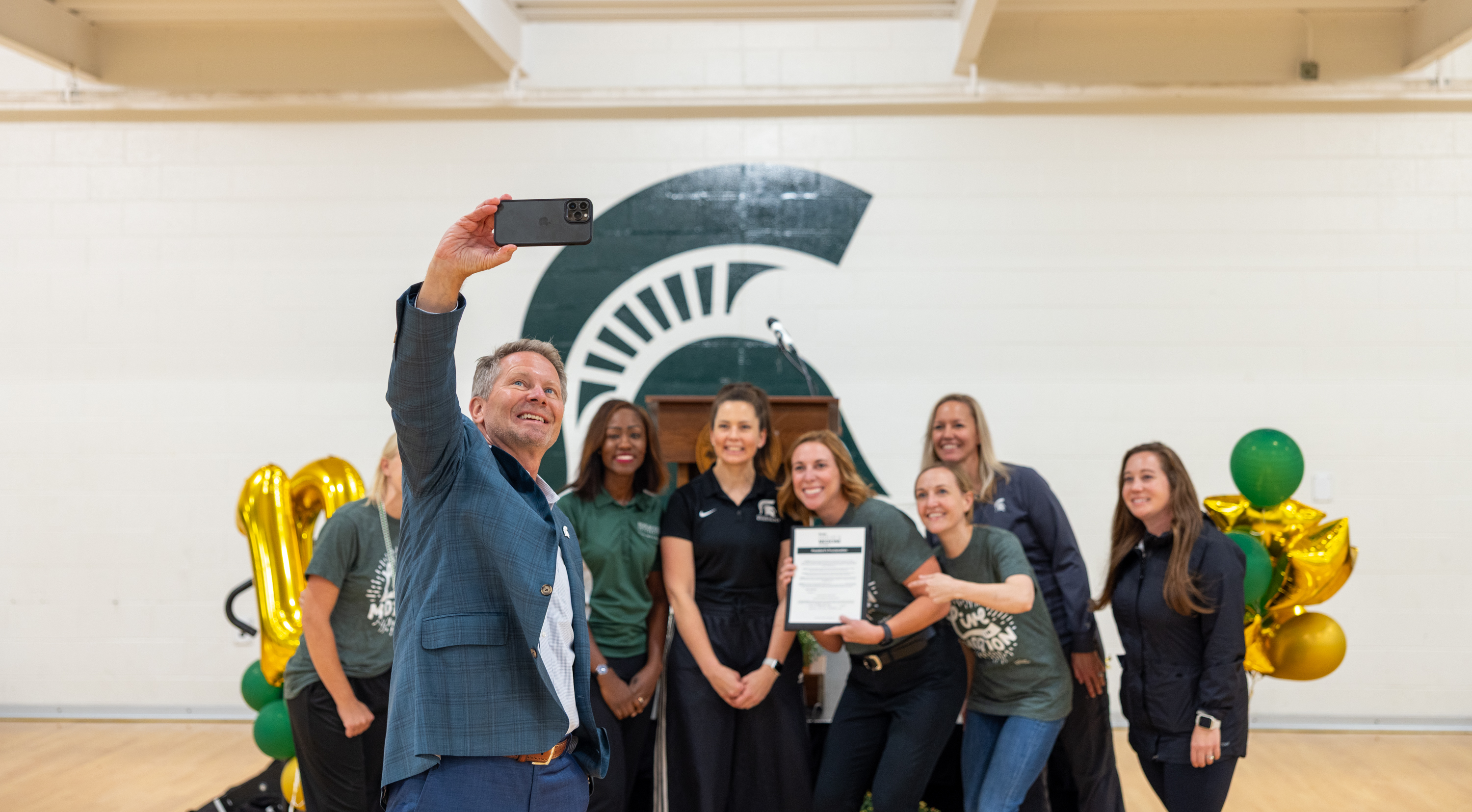
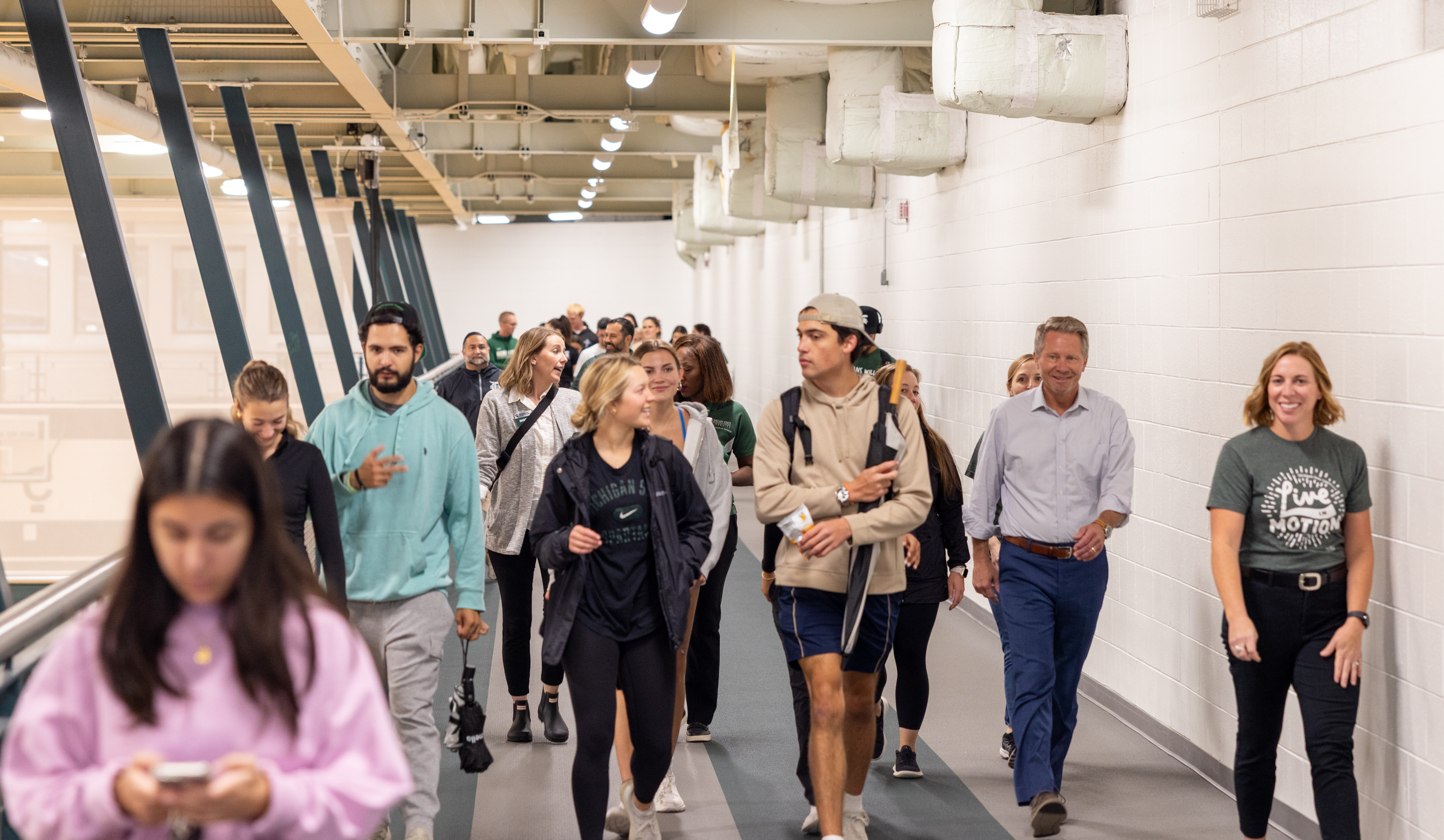
MSU Exercise is Medicine® Initiative on Campus (EIM-OC) earned Gold-Level Recognition for the tenth year in a row. EIM-OC encourages universities and colleges to promote physical activity as a vital sign of health. One of 83 universities and colleges in the world to earn this designation. MSU EIM-OC provides a variety of programs and tools necessary to strengthen healthy physical activity habits such as the annual Healthy Homecoming Walk, ACTIVE Spartans and EIM-OC registered student organization. MSU President Guskiewicz signed a proclamation during the celebration recognizing October as Exercise is Medicine on Campus month, and more than 400 attendees walked a total of 386 miles!
MSU Student Food Bank Evolves into MSU Food Bank and Basic Needs Program and Launches Spartan Shelf-Union
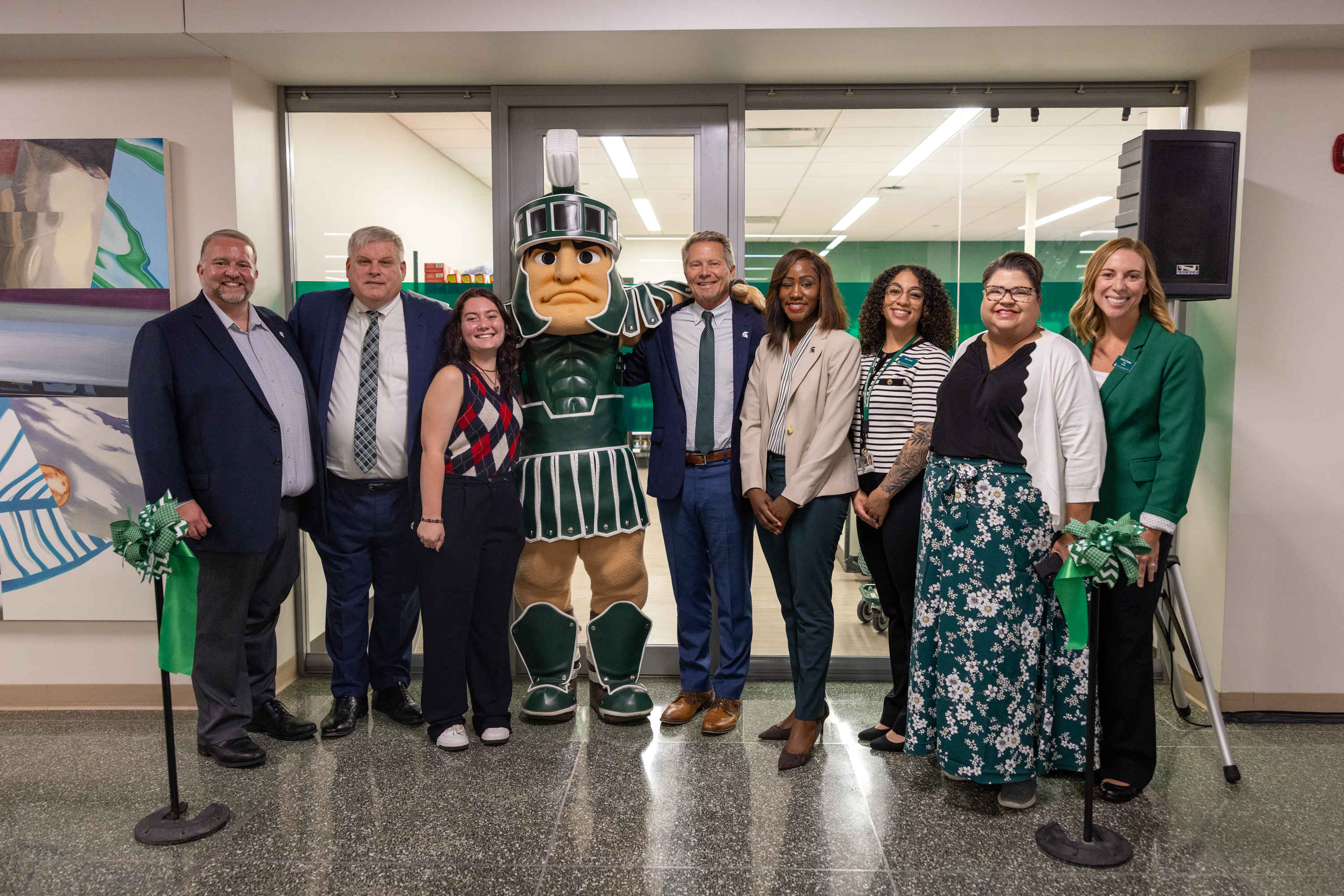
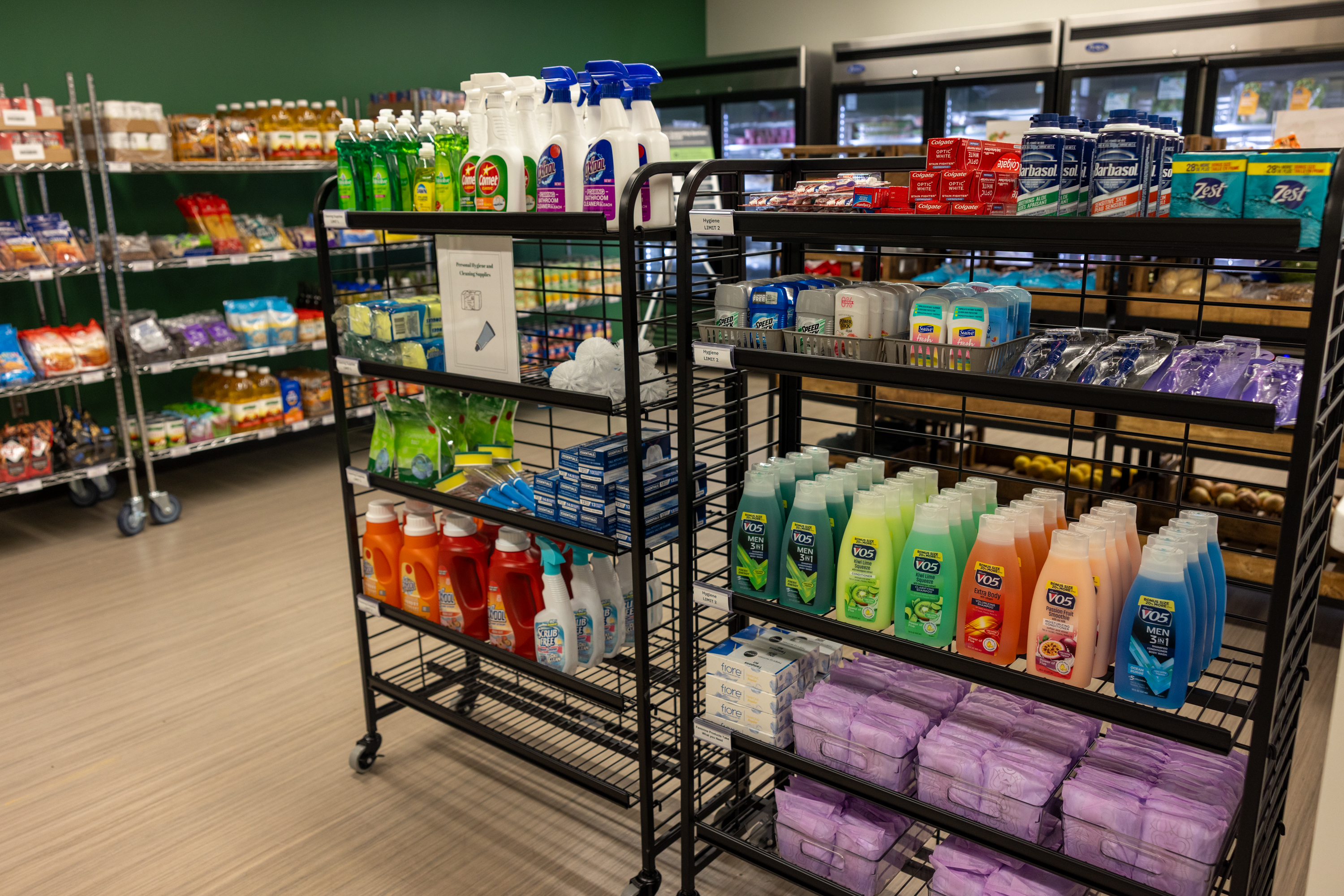
A ribbon cutting celebrated the evolution of the MSU Student Food Bank into the MSU Student Food Bank and Basic Needs Program. President Kevin Guskiewicz, Dr. Alexis Travis, Dr. Allyn Shaw, and Madison Mogg, Co-President, Spartan Food Security Council offered remarks. With this program's evolution and support from generous donors, a second location was added at the MSU Union alongside Olin Health Center, both carrying the Spartan Shelf brand. Spartan Shelf – Union uses a self-shop model, allowing students to shop for their own groceries and personal care items in a dignified, choice-based environment with evening and weekend hours. Nearly 6,000 Spartans and their family members were served from this location from September through the end of the year.
Expanding Access to Emergency Contraceptives
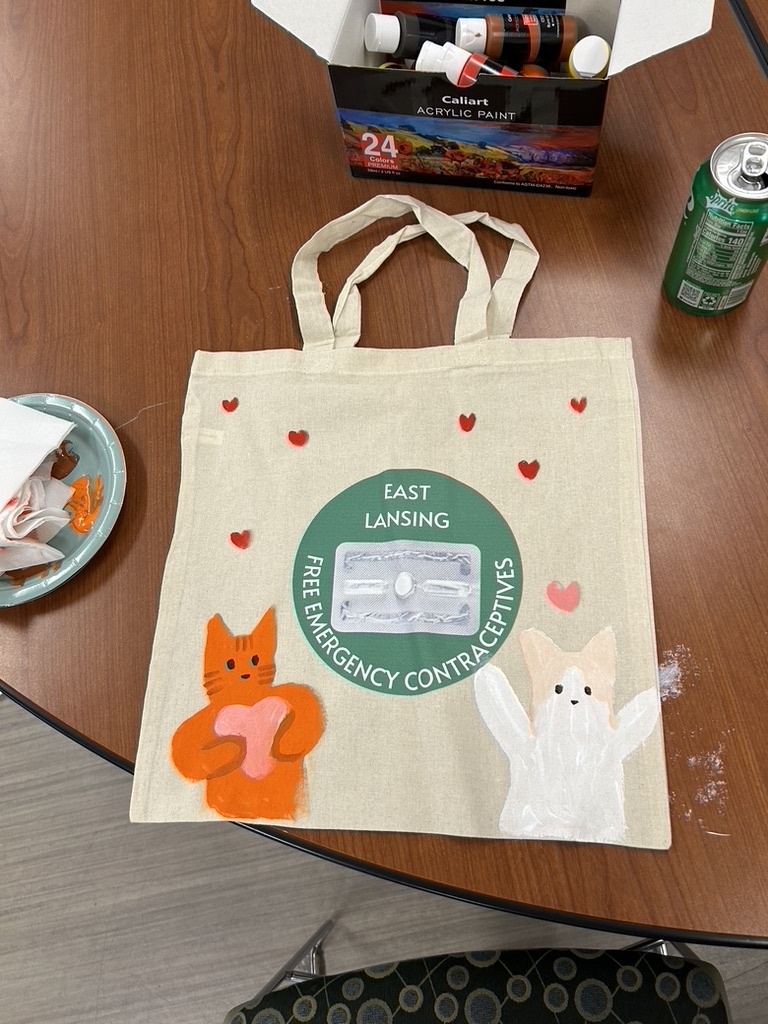
In partnership with East Lansing Free Emergency Contraceptives (ELFreeEC), UHW is now providing free emergency contraceptives at the customer service desk of Olin Health Center and has distributed more than 180. This initiative reflects our commitment to reproductive health equity by reducing barriers to timely, confidential access for students.
Collegiate Recovery Community (CRC) Events Promote Community
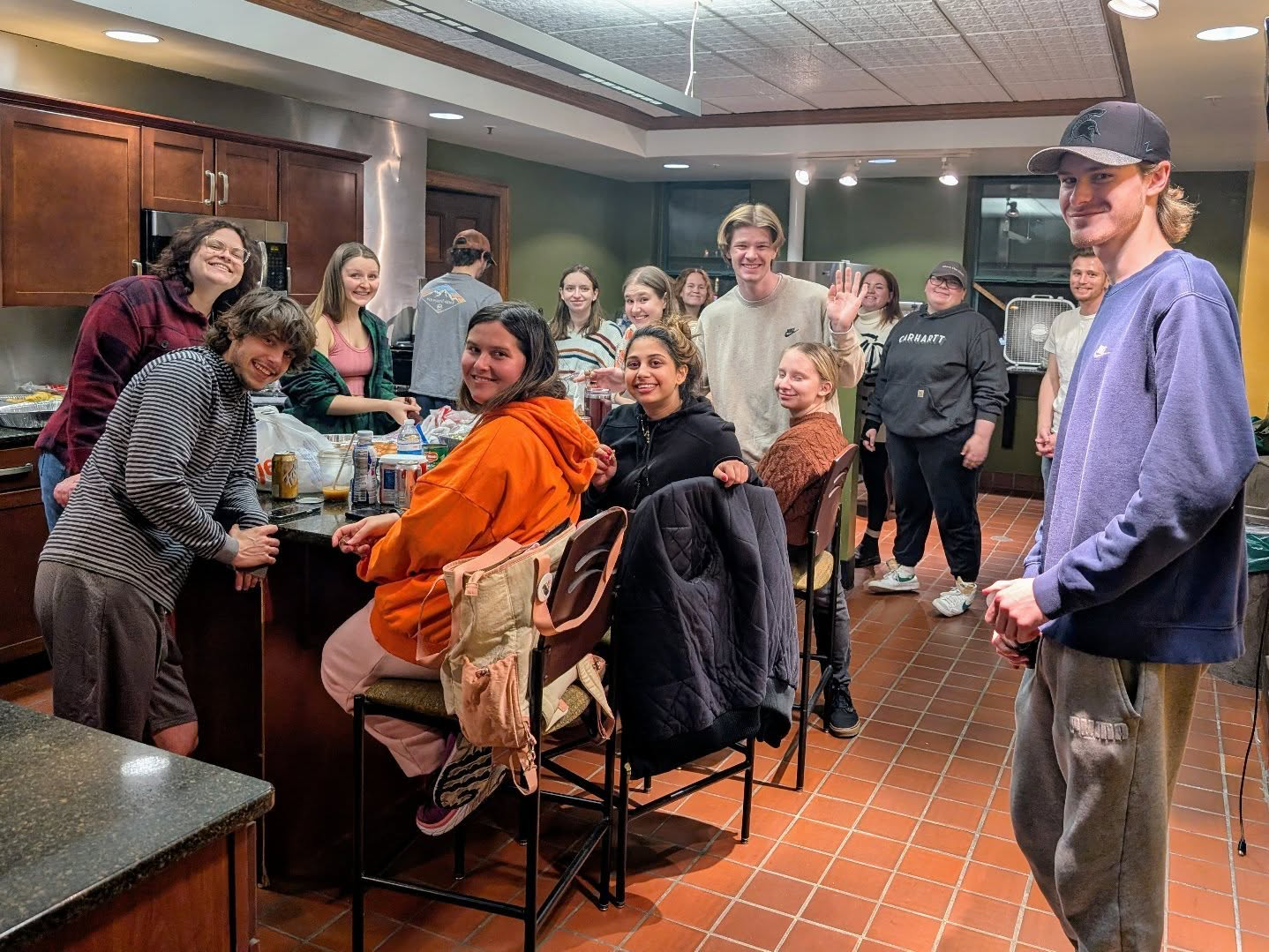
Recovery Housing, launched in 2018 in partnership with Residence Education and Housing Services (REHS), was Michigan’s first on-campus housing for students in the recovery community. It offers a supportive living environment where up to 16 students can experience an authentic college experience while building meaningful relationships based on sobriety, fellowship, and academic success. Additionally, CRC holds events throughout the year to bring the recovery community and its allies together. Community Connection Events held over the summer at the Summer Circle Theatre, East Lansing Summer Concert, and the Moonlight Film Festival. Fall events included a welcome back to campus event, a sober tailgate during the MSU vs University of Michigan football game, and Friendsgiving.
Mindful STATE Days: Build Skills for Success, Practice Mindfulness
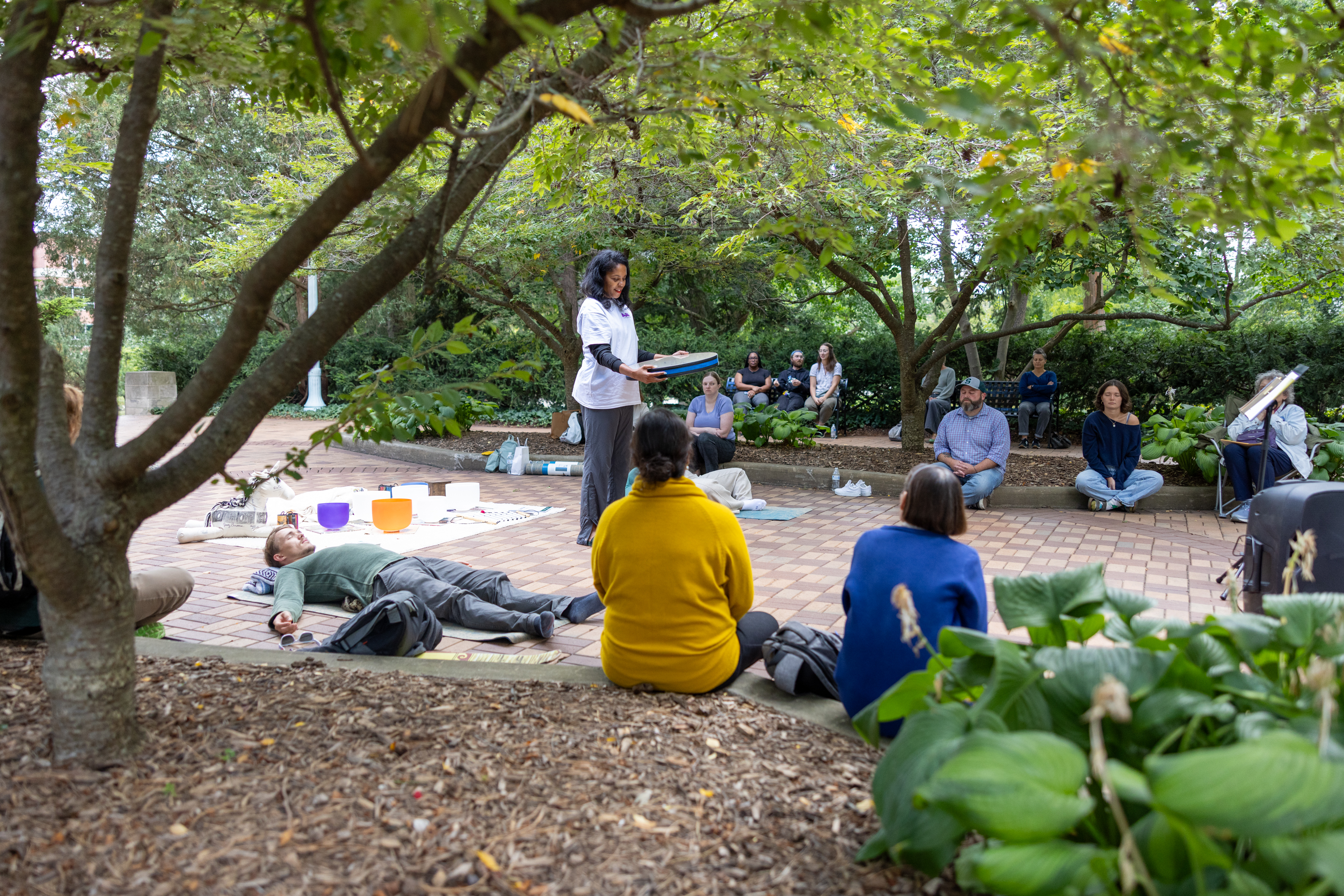
The first-ever MSU Mindful STATE Days, engaging 283 students, faculty, and staff, explored mindfulness through two days of guided outdoor meditations, virtual webinars, and a Loving Kindness Concert at Beaumont Tower. The initiative aimed to help individuals develop or strengthen their own mindfulness practices and normalize the practice of mindfulness at Michigan State University.
Spartan Resilience Education Courses and Certificate Series
Spartan Resilience Education Program offers a series of eight courses designed to help Spartans develop essential skills supporting emotional resilience, psychological flexibility, stress hardiness, and healthy relationships. More than 1,100 participants attended the trainings. Spartans who complete all eight courses, over a two-year period of time, earn the Spartan Resilience Education Certificate. More than 130 Spartans have enrolled to complete the certificate series, with 11 earning their certificate since the launch in 2024.
Promoting Movement with Active Workplace Program
This one-time $1,000 funding opportunity encourages MSU colleges and MAUs to support employee wellbeing through movement. More than 29 applications were received and a selection committee chose five units to receive funding to purchase a walking pad and desk cycle, tools designed to help reduce sedentary behavior and encourage physical activity during the workday. Awardees included the Office of Student Support and Accountability; Infrastructure Planning and Facilities (IPF); Research Innovation and Scholarly Engagement (RISE) Department within the College of Osteopathic Medicine; Prevention, Outreach, and Education; and Residential Housing Services Strategies and Services.
Engagement Liaison Model Significantly Expands Reach on Campus
The Engagement Liaison Model expanded significantly in 2025 with the inclusion of Major Administrative Units, bringing participation to all 18 academic colleges and six administrative units, generating 222 interactions this year. To strengthen communication, the Engagement Team introduced bi-weekly updates featuring health and wellbeing resources for students, faculty, and staff, designed for easy sharing across unit channels. In partnership with the MSU Food Bank and Basic Needs Program, the model also provided essential support such as meal tickets for on-campus dining, grocery gift cards for students in need, and donated food and hygiene supplies. Additionally, Spartan Shelf Stations are being established across colleges and units on and off campus, ensuring resources and assistance are accessible wherever Spartans are located. Memoranda of Understanding were established for 11 Spartan Shelf Stations with seven more currently in progress.
2025 Metrics
For 2024 data, please visit the 2024 UHW Annual Report
What Students Are Saying About Health Promotion and Engagement Initiatives
“Without the Food Bank, I wouldn’t have been able to make it through the semester. It gave me one less thing to worry about.”
2025 Resource Center for Persons with Disabilities (RCPD) Highlights
New Data Management System Modernization
RCPD has initiated a comprehensive project to modernize its data management system, with full implementation targeted for Fall 2026. The new platform will centralize the accommodation request process, enabling students to submit requests and access course specific accommodation letters through a single, streamlined hub. The current system—introduced in 2002 when fewer than 1,000 students were connected—no longer meets the evolving needs of the university. This modernization effort will enhance service delivery, improve operational efficiency, and create a more seamless experience for students, faculty, and staff.
Supporting Students through Scholarships
Through support of generous donors, RCPD was able to award over $80,000 in scholarships to students to aid in their academic success. These scholarships span a wide range of needs and experiences, including students impacted by cancer, those participating in internships or study abroad programs, exceptional student leaders, and students with specific conditions, among others.
Building Opportunities for Networking and Discovery (BOND) Program
BOND offers community, academic support, coaching, social events, and more for the more than 250 autistic students at MSU that are connected with RCPD and continues to grow. Fall Programming included the Transitions program prior to the semester focused on acclimating to life as an MSU Spartan, weekly peer mentor-led events focused on building connections, a 2 credit UGS 110 Course, and multiple staff organized events.
2nd Annual Disability Summit Focused on Disability Inclusion and Belonging
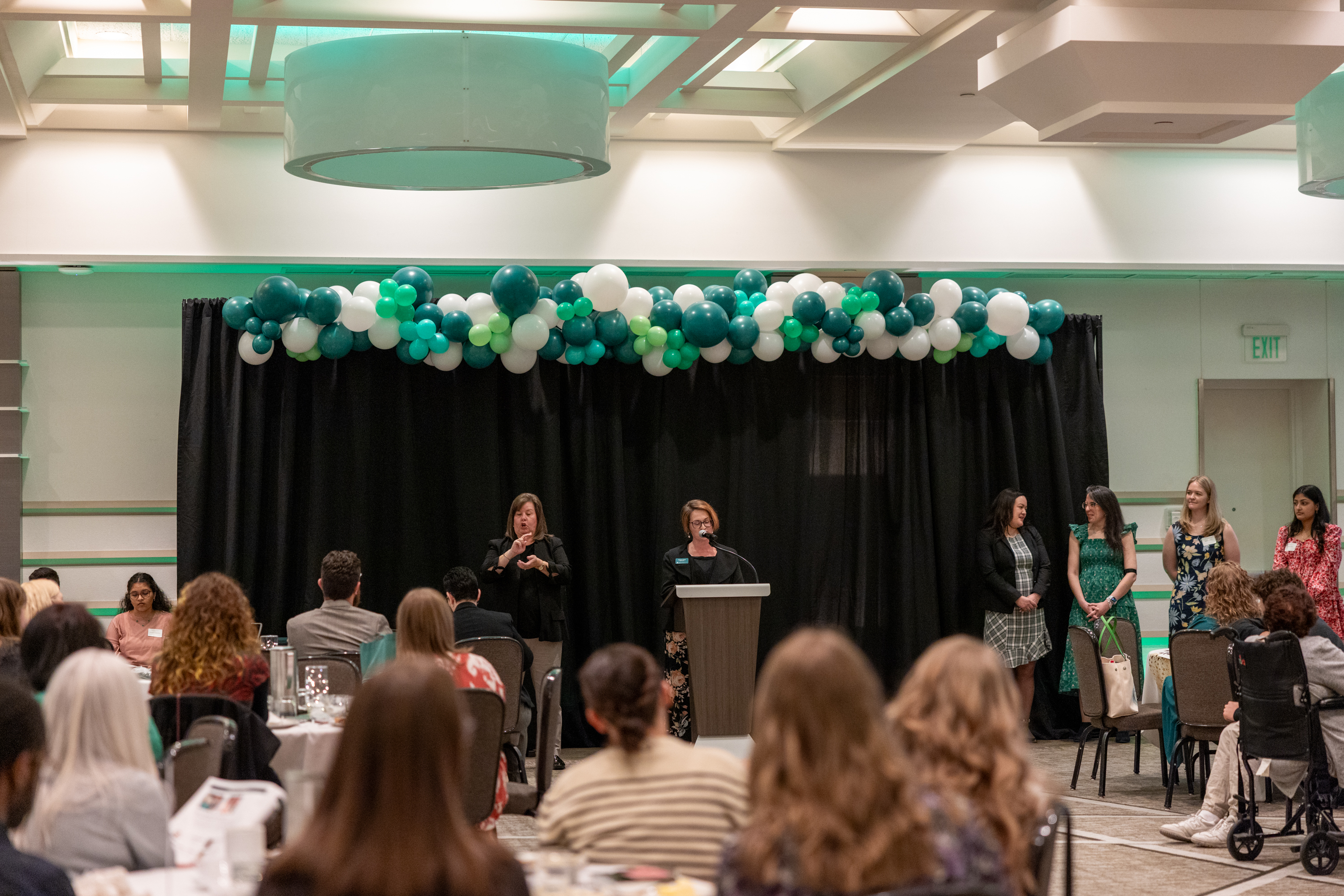
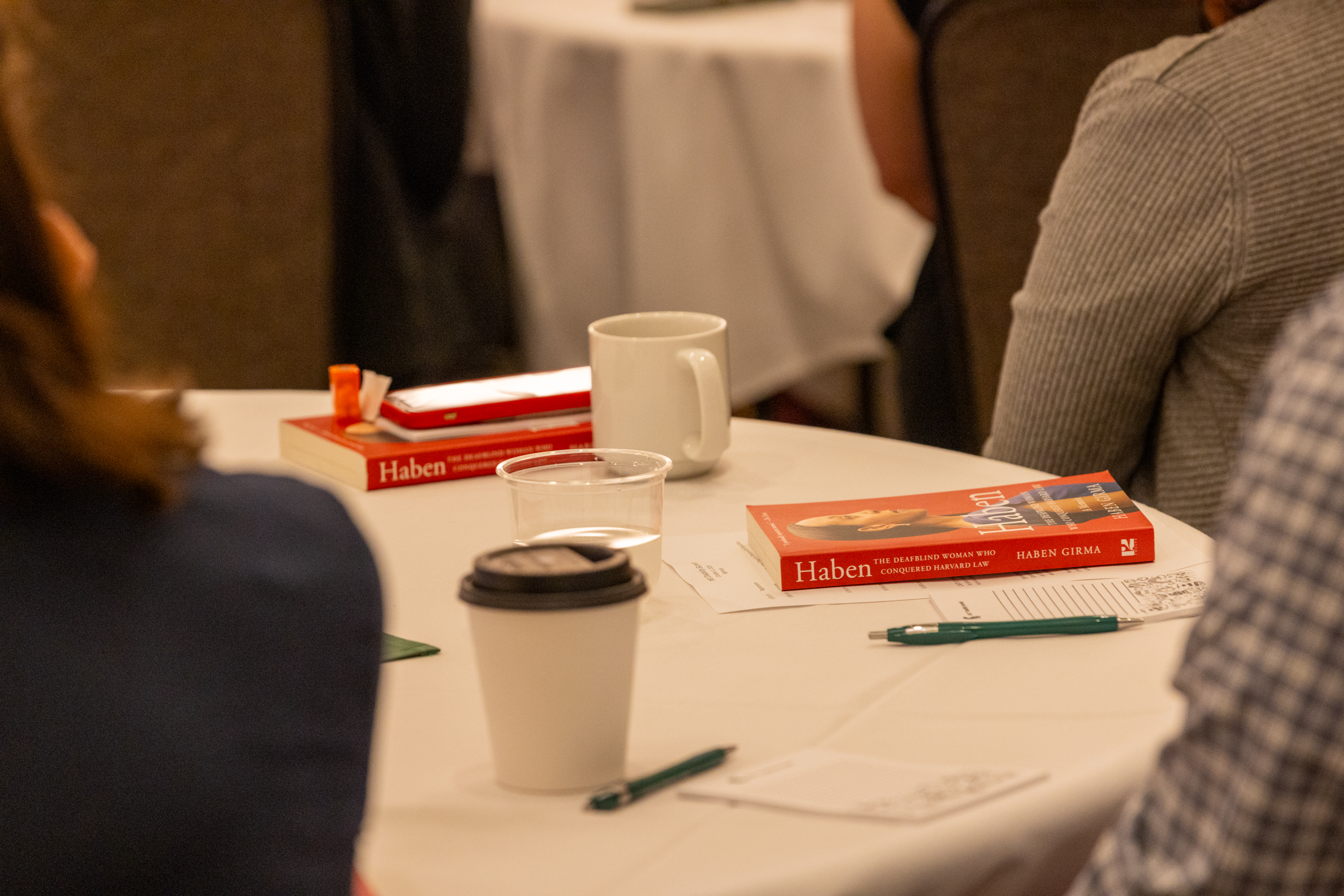
In collaboration with the Office for Civil Rights Office of the ADA Coordinator and MSU Libraries, RCPD hosted an event focused on disability inclusion, belonging, and accessibility. The keynote address, attended by more than 180 in person participants and 72 virtual attendees, was delivered by internationally recognized disability advocate and author Haben Girma, the first Deafblind graduate of Harvard Law School, recipient of the Helen Keller Achievement Award, and a Forbes 30 Under 30 honoree. Girma shared her personal journey and challenged common biases and stigma surrounding disability. To extend the impact of the Summit, a series of 16 virtual sessions were held on Fridays throughout October in recognition of MSU Disability Pride Month, fostering ongoing dialogue and engagement, with 653 individuals registering to attend.
12th Annual Alex’s Great State Race
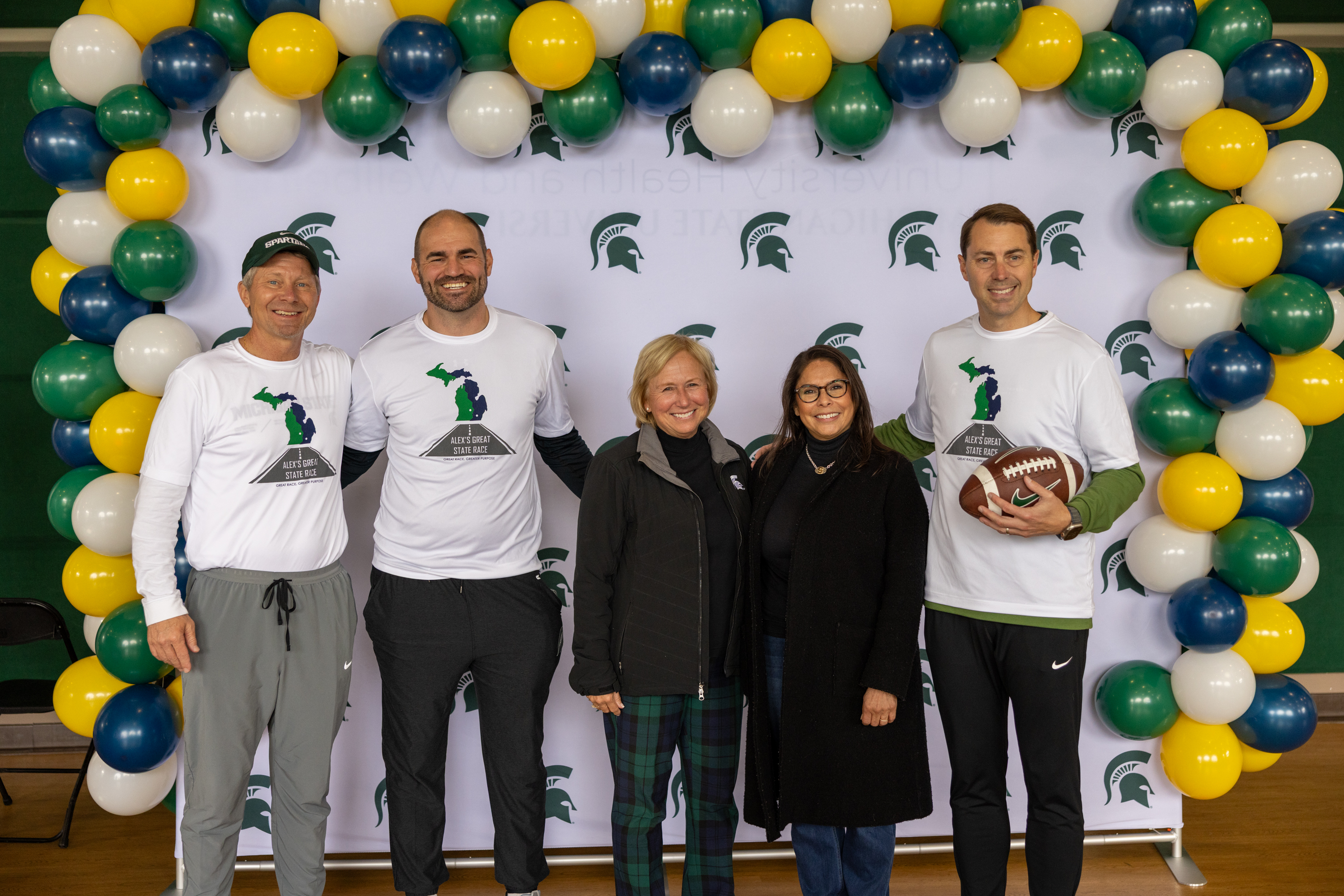
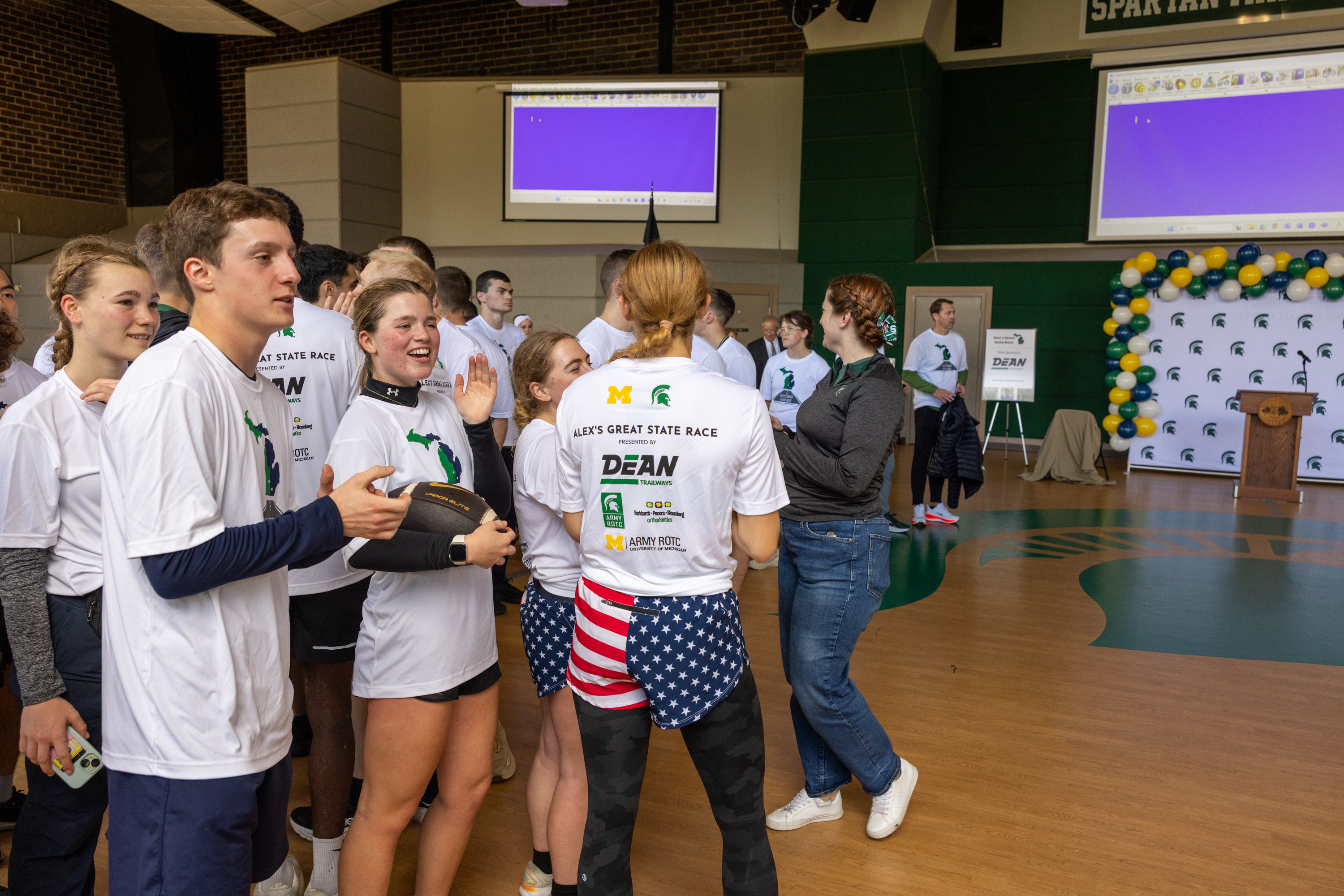
Now in its twelfth year, Alex’s Great State Race continues to unite Spartans and Wolverines in a powerful display of rivalry and remembrance. Held the day before the annual MSU vs. UM football game, ROTC cadets from Michigan State University and the University of Michigan run a 64-mile relay between campuses to honor the life and legacy of Alex Powell, a proud Spartan who received support from the MSU Resource Center for Persons with Disabilities (RCPD) before passing away in 2011. This year, MSU President Kevin Guskiewicz and Athletic Director J Batt joined the final mile of the race, further highlighting the race’s importance to the Spartan community. The race raises awareness and support for students with disabilities, while celebrating inclusion, resilience, and school spirit. In addition to the in-person relay, individuals were invited to participate virtually throughout October by running, walking, rolling, or hiking any distance. Miles could be logged in support of MSU or UM, allowing participants to show their team pride while contributing to a meaningful cause.
2025 Resource Center for Persons with Disabilities (RCPD) Metrics
For 2024 data, please visit the 2024 UHW Annual Report
What Students Are Saying About the Resource Center for Person with Disabilities
"Council of Students with Disabilities (RCPD supported student organization) has given me a community where I feel understood, supported, and able to grow as a leader. This year reminded me how powerful it is when disabled students have a space to advocate for ourselves together.”